


The Marketing Strategy Behind IKEA’s Shift From Perfect Rooms to Real Homes
For decades, walking into an IKEA showroom felt like stepping into a perfectly styled magazine page.
Beds were neatly made.
Shelves were perfectly arranged.
Every corner looked flawless.
But the brand has recently started changing that visual language.
Instead of only presenting catalogue-perfect interiors, some IKEA showrooms are now displaying lived-in spaces. Beds look slightly messy, objects sit casually on tables, and small signs of everyday life appear across the room.
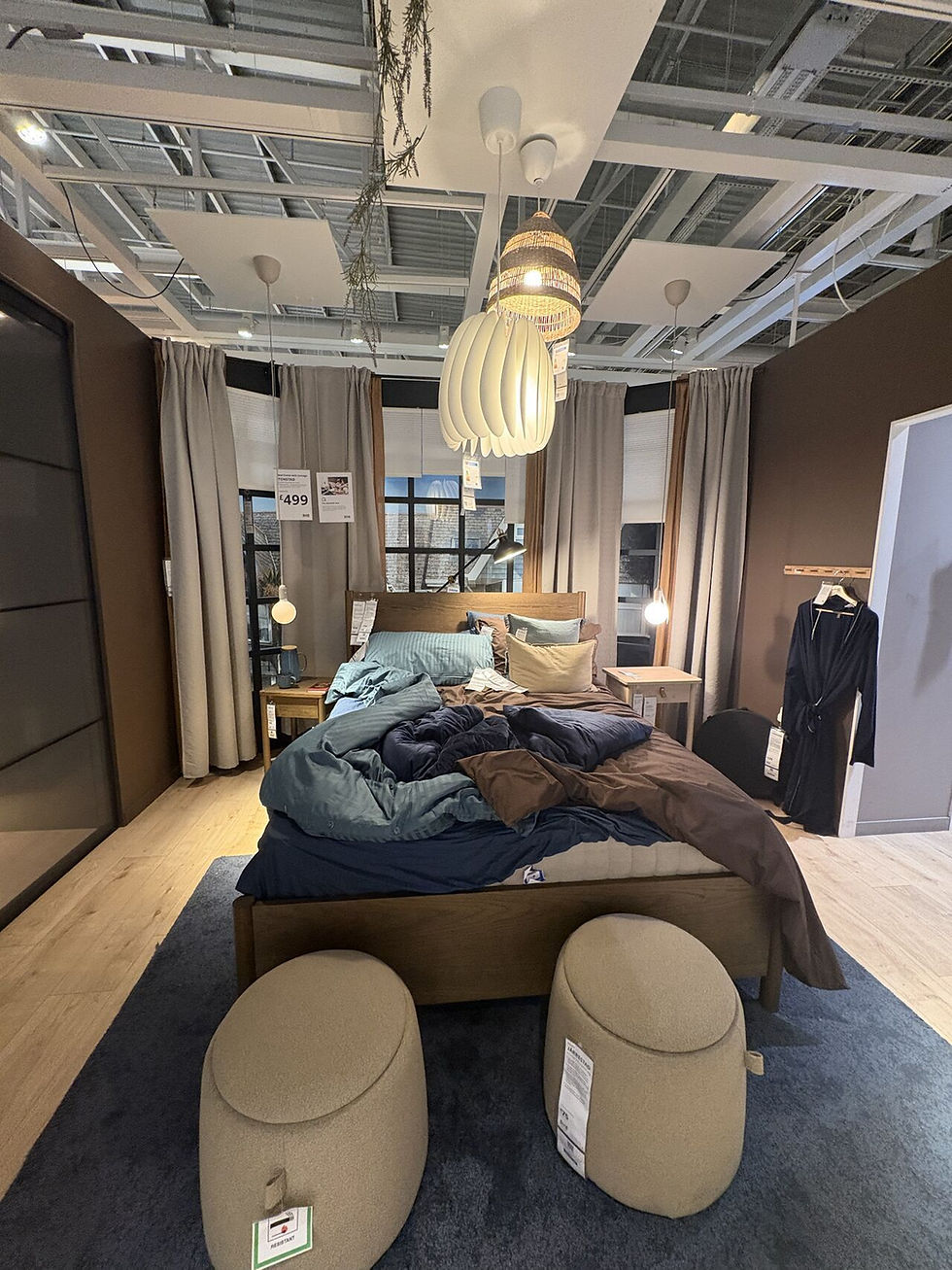
In short, the homes look more like real homes.
At first glance, this might seem like a small design decision. But from a marketing perspective, it’s a thoughtful shift in how the brand wants customers to experience its products.
For years, showroom setups were designed to inspire. They showed customers what an ideal home could look like. The downside, however, was that many people saw these spaces as something to admire rather than something they could realistically recreate.
By introducing clutter, unevenness and everyday objects into these rooms, IKEA is bringing the distance down. Customers no longer feel like they’re looking at a perfect display. Instead, they see a space that feels familiar. A bedroom that looks like someone just woke up. A living room that looks like someone spent the evening there.
This subtle change makes it easier for people to imagine their own lives inside the space.

The strategy also connects strongly with a wider cultural shift happening online. Across social media, the idea of the “perfect aesthetic” has slowly been replaced by something more relatable. Messy desks, unmade beds and lived-in homes have become part of the new visual culture.
By reflecting this shift inside its stores, IKEA is aligning its physical experience with how people already see and share their lives online.
Comments